

The Illusion of Easy Wins
One of the most pervasive myths surrounding casino winnings is the belief that winning is easy and frequent. Many people envision themselves hitting the jackpot with minimal effort, perhaps from a single spin of a slot machine or a lucky roll of the dice. This misconception often stems from sensationalized media portrayals of casino victories, which tend to highlight extraordinary wins while ignoring the countless losses that accompany them. In reality, the odds are heavily stacked against players, especially when trying their luck at fast payout online pokies australia , with each game designed to favor the house over the long term.
Psychologically, this myth can lead to detrimental gambling behavior. Individuals may chase losses or become fixated on the idea of a big win, often leading them to play longer than they intended or to gamble beyond their means. The thrill of the game can cloud judgment, and this can create a false sense of confidence in one’s ability to win. The truth is, while winning is certainly possible, it is more akin to a rarity rather than a reliable source of income or entertainment.
Casinos employ sophisticated technology and statistical models to ensure that their games are profitable. Slot machines, for example, are programmed with a random number generator that determines the outcome of each spin. This means that players cannot predict when a machine will pay out, making the concept of easy wins even more elusive. Understanding that gambling should be viewed as a form of entertainment rather than an investment can help individuals approach the activity with a healthier mindset.
The Role of Skill vs. Luck
Another common belief in casino culture is the idea that skill can significantly influence the outcome of games. While there are some table games, such as poker and blackjack, where skill plays a role in strategy and decision-making, the reality is that many casino games rely predominantly on luck. Games like roulette and slots are entirely based on chance, and no amount of skill can change the odds. Players often overestimate their influence over the outcome, forgetting that even the most seasoned players cannot control the randomness of results.
This misconception can deter players from appreciating the strategic elements in games where skill is relevant. For instance, poker does require a deep understanding of the game, the ability to read opponents, and the skill to manage one’s bankroll effectively. However, even the best player can lose to an inexperienced player on any given night due to the inherent luck involved in shuffling cards and dealing hands. It’s important for players to recognize where skill truly matters and to temper their expectations regarding luck.
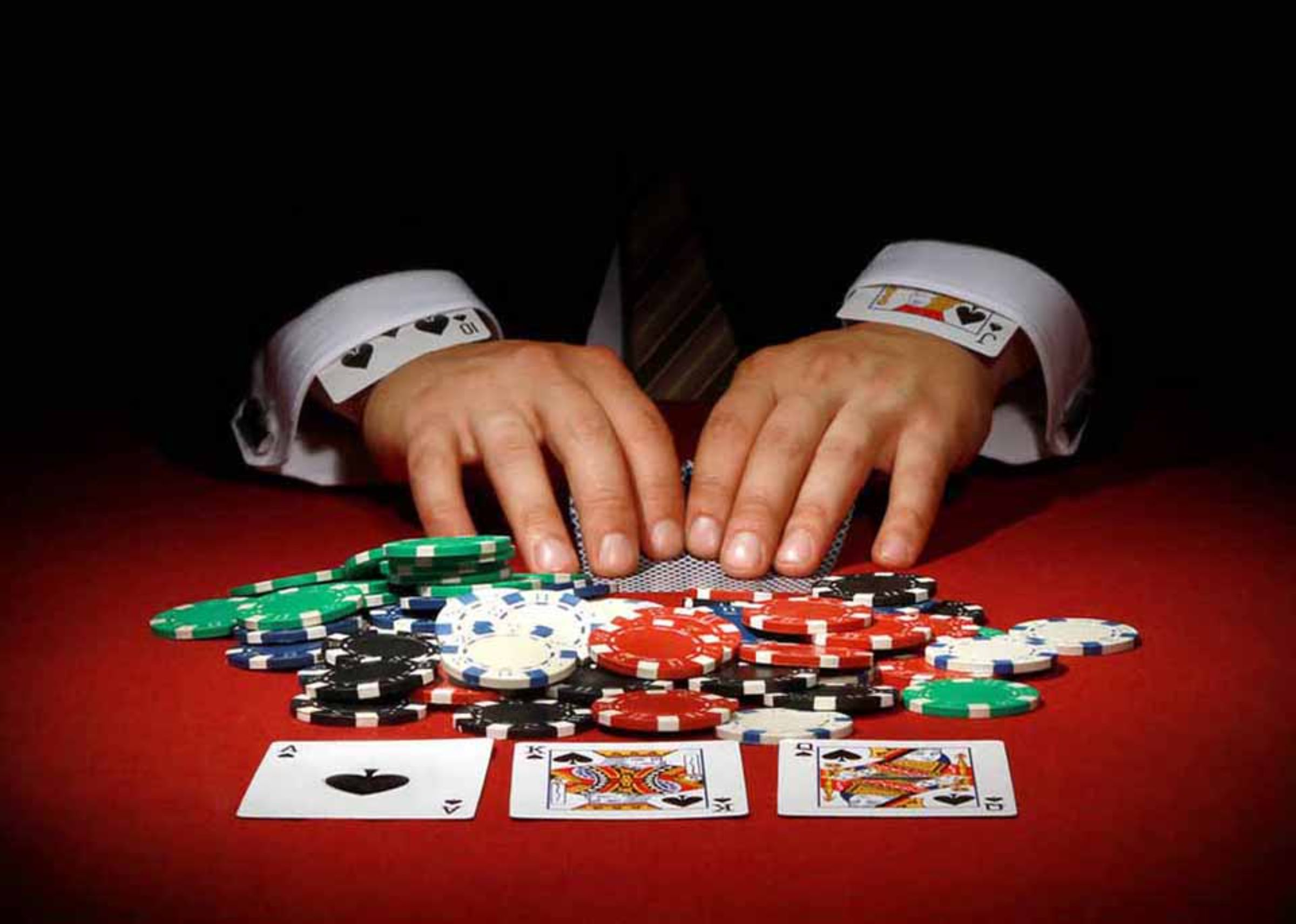
In a casino setting, the balance of skill and luck can create an engaging environment. Players are often drawn to games where they feel their decisions can impact the outcome, leading to a greater sense of involvement. Casinos capitalize on this by offering tournaments and special events focused on skill-based games, where players can compete for substantial prizes. Ultimately, understanding the interplay of skill and luck in various games can inform better choices and improve the overall gambling experience.
The Impact of Hot and Cold Streaks
Many gamblers believe in the concept of hot and cold streaks, where they think that a machine or table is “due” for a win or conversely, that it has been on a losing streak. This myth often leads to the belief that one can predict future outcomes based on recent results, a phenomenon known as the gambler’s fallacy. Players frequently see patterns where none exist; for instance, if a slot machine hasn’t paid out in a while, they might think it’s about to hit the jackpot. However, each spin is independent and unaffected by previous outcomes.
Psychologically, this belief can be very compelling. Gamblers may feel a sense of urgency to continue playing during a perceived “hot” period, convinced that their chances of winning are increasing. Conversely, during a “cold” streak, they may irrationally determine that a break or a change of machines will lead to better odds. This behavior often results in players mismanaging their bets and time, leading to financial losses. Awareness of how randomness functions in gambling can help mitigate these tendencies.
Understanding the randomness of casino games is crucial for developing a practical and controlled approach to gambling. An individual’s previous wins or losses do not influence future outcomes, and recognizing this can lead to more rational decision-making. Players should instead focus on enjoying the gaming experience, as the thrill of playing should be prioritized over the unpredictable nature of winning or losing. Having realistic expectations can contribute to a more enjoyable and sustainable gambling experience.
The Truth about Payout Percentages
Payout percentages are often a source of confusion for players. Many believe that these figures represent the likelihood of winning; however, in reality, they indicate the average return to players over a significant number of spins or hands. For instance, if a slot machine has a payout percentage of 95%, this means that, over a long period, it pays back $95 for every $100 wagered, but it does not guarantee individual outcomes. Players can still experience significant losses or streaks, regardless of the machine’s advertised percentage.

This misunderstanding can lead players to make poor decisions based on misconceptions about how games operate. A high payout percentage can certainly be a good indicator of a better chance to win over time, but it does not provide assurance for individual gaming sessions. Players often need to remember that slot machines and table games are designed with a house edge, which guarantees profitability for casinos in the long run, regardless of the payout percentages displayed.
Moreover, casinos may change their payout percentages based on multiple factors, including location, time of day, and competition. Recognizing that these percentages are not static can also help players devise more informed strategies. Instead of solely focusing on payout percentages, it’s essential for gamblers to assess their gaming style, budget, and enjoyment level, ultimately leading to a more fulfilling experience at the casino.
Understanding Casino Culture and Responsible Gambling
Casino culture can greatly influence players’ perceptions and behaviors regarding gambling. Social interactions, competitive atmospheres, and the thrill of the environment can enhance the gambling experience, but they can also magnify misleading beliefs about winning. Casinos are designed to keep players engaged and entertained, often utilizing ambient lighting, sounds, and complimentary services to create an inviting and immersive atmosphere. Primarily, this design encourages longer play, which can lead to more significant losses.
To manage the risks associated with gambling, it is essential to approach casino activities with a mindset geared toward responsible gambling. Setting financial limits, understanding personal triggers, and recognizing when to walk away can empower players to maintain control over their gambling habits. Engaging in self-reflection and being open about one’s motivations for gambling can also foster a healthier relationship with the activity.
Ultimately, educating oneself about how casinos operate and the mechanics behind the games is key to a more informed approach to gambling. It is vital to separate myths from facts, enabling a rational perspective that reduces the allure of gambling as a means to wealth. Taking the time to learn about the culture, environment, and gameplay can encourage a positive and responsible approach to enjoying these recreational activities.